About

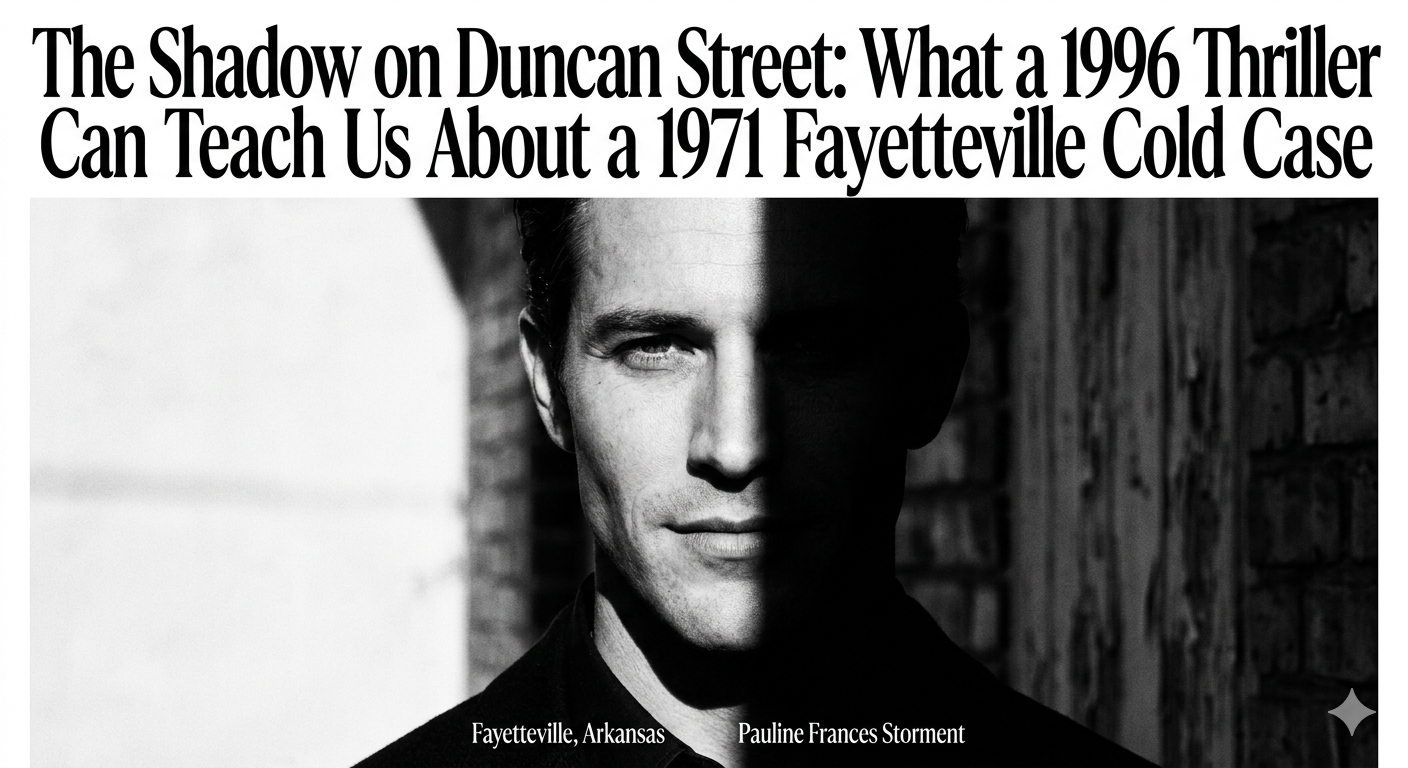
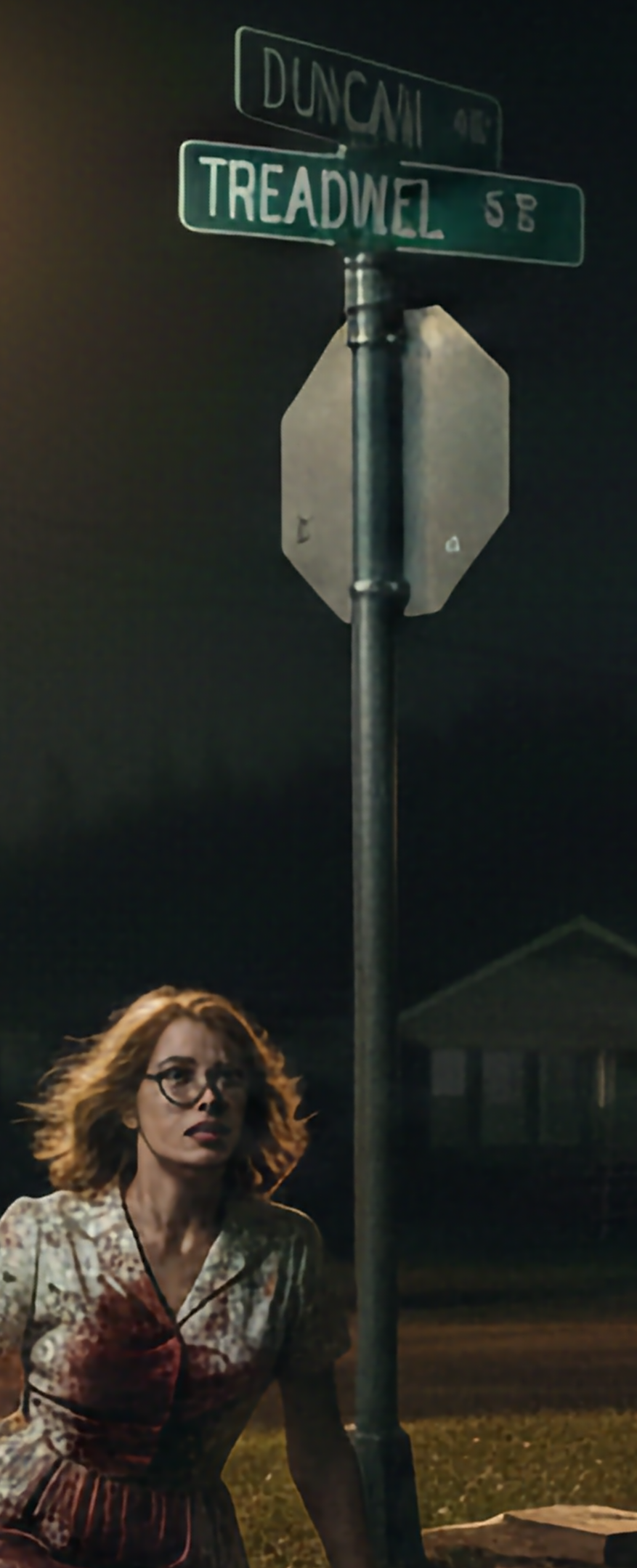
On the night of April 12, 1971, the quiet university town of Fayetteville, Arkansas, was shattered by a brutal crime. Around 9:30 p.m., Pauline Storment, a 27-year-old University of Arkansas student, was stabbed to death near the corner of Duncan and Treadwell Streets, just blocks from the safety of her apartment. As witnesses rushed to her side, the still-conscious Pauline told them her attacker wore glasses. Her last words before dying in surgery were a plea: “Don’t hurt me.” For over five decades, the case has remained a haunting, unanswered question, a cold shadow that has lingered over the community as suspects were arrested and cleared, confessions offered and dismissed, and cryptic clues emerged only to fade away.

Now, in a somber final chapter, the story has reached its administrative end. In 2024, the Arkansas State Police cold case unit officially closed the file on Pauline Storment’s murder, leaving it forever unsolved. But an administrative closure is not justice. Despite this finality, the case file remains a testament to the enduring mystery, filled with shocking twists and perplexing questions that defy simple explanation.

The Wrong Man? A Swift Arrest and a Shocking Release

In the immediate aftermath of the murder, it seemed the case would be solved as quickly as it had shocked the community. Approximately 45 minutes after the attack, police arrested Wallace Peter Kunkel, a 17-year-old high school student, after finding him in a car with blood on his jacket, shirt, and pants. The evidence appeared damning, and Kunkel was formally charged with first-degree murder. For a brief period, Fayetteville could breathe a tentative sigh of relief.

The relief was short-lived. In a dramatic reversal, Kunkel was released from jail and the charges were dropped. Officials cited “new developments” and a “sudden shift in the course of the investigation” as the reasons. The key development was Kunkel’s decision to take a polygraph examination, which he passed, satisfying investigators that he was not involved. In a strange twist of coincidence that initially complicated the investigation, lab tests revealed that both Kunkel and Pauline Storment shared the same blood type: Type A.

After his release, Kunkel’s parents held a press conference, where his emotional father told reporters:

“I am never ashamed of tears for my son.”

A Chilling Confession That Went Nowhere

Just over a month after the murder, on May 21, 1971, the investigation took a turn that should have broken the case wide open. A 27-year-old man named Jack Butler walked into the Fayetteville police station and gave a voluntary statement confessing to the crime.

In his signed confession, Butler claimed he followed a woman he mistook for his wife. He stated he “went up behind her and stabbed her with the Knife,” then turned and ran. He provided investigators with details about the clothes he was wearing—green pants, a green shirt, and a leather coat with a fur collar—and his movements after the attack. A signed confession is often the most powerful piece of evidence an investigation can produce, the key that turns the lock on an unsolved case. Yet, in this instance, it led nowhere. For reasons that remain unclear in the historical record, Butler’s confession did not result in a conviction, and Pauline Storment’s murder remained unsolved.

Whispers from Afar: An Anonymous Letter and a “Mistaken Identity” Theory

Years passed. The case grew colder. Then, in October 1980, a new and mysterious lead emerged. The editor of Master Detective magazine received an anonymous letter and forwarded it to the Fayetteville Police Department. The letter’s author referenced an article the magazine had published in November 1974 titled “Mysterious Butchery of the Beautiful Coed.” The writer claimed a long-held secret, stating they felt “compelled to help.”

The letter offered a chilling new theory for the motive—or lack thereof—behind the murder. It suggested Pauline was not the intended victim at all.

“In 1971 a young woman was killed and no one knows why or who. I am writing to tell you this, she was killed by mistake, someone who looked a lot like her was to die.”

This astonishing claim was actively pursued. The letter, postmarked from Capron, Virginia, was sent to the state crime lab for fingerprint analysis. Investigators also made inquiries with the Virginia Department of Corrections, trying to determine if the author could be an inmate with knowledge of the crime. But like so many other leads, this one also dissolved into silence.

The Tangled Web of Fear: Family Letters Point to a Different Killer

Beginning in the late 1970s, another series of strange communications arrived, this time directly to Detective Coffman of the Washington County Sheriff’s Department. A woman named Barbara Hamilton sent a series of handwritten letters relaying disturbing information she had learned from her mother and her sister, Betty Baker.

The letters painted a complex picture of a transient social circle gripped by fear. According to Barbara, her sister Betty was terrified of a man named “Terry” because she “knows some things and afraid he will hurt her.” The letters revealed that Betty, Terry, and a man named Steve Cooper had all left Fayetteville together. This was not a vague accusation. The man Betty named, Stephen Wayne Cooper, was a real person from Fayetteville who was, in fact, arrested and sentenced for a slaying in Arizona in 1973. A court-appointed psychiatrist who examined him stated that Cooper suffered from a “schizophrenia-like syndrome.”

One of Barbara’s letters contained an even more stunning piece of secondhand information. She wrote that Terry’s own mother had told her mother a chilling secret: “Terry had told her about the stabbing with a big butcher knife. He said the cooper guy did it.” Here was a direct line, born of a family’s fear, connecting Pauline’s murder to a convicted killer. Still, this tangled web of fear and secondhand information never led to a breakthrough.

An End Without an Answer: A Cold Case Officially Closed

The murder of Pauline Storment eventually became one of the oldest unsolved homicides on the books of the Arkansas State Police. Decades of tips, theories, and investigative work yielded no conclusive answers and no justice.

After the state’s cold case unit was formed in 2020, its investigators began the arduous task of reviewing old, unresolved files. Pauline’s case was among those they examined, representing a final hope that modern techniques or a fresh perspective might uncover what had been missed.

But in 2024, that last hope was extinguished. With no new leads to produce a resolution and all existing avenues exhausted, the Arkansas State Police officially closed the case. The formal act brought an administrative end to a half-century of investigation, but it provided no answers for Pauline, her family, or the community her death had scarred.

Conclusion: The Lingering Silence

A cleared suspect with blood on his clothes. A detailed confession that was seemingly ignored. A cryptic letter alleging mistaken identity. A frightened family pointing toward another murderer. Each twist in the Pauline Storment case promised a breakthrough but delivered only deeper mystery.

Today, with the case file now administratively closed, the silence surrounding Pauline’s final moments is all that remains. The official search for her killer is over, but the questions linger, echoing through the decades. With the investigation over, will the truth of who killed Pauline Storment on that spring night in 1971 ever be known, or is her story now sealed forever in silence?

Regrettably, after decades much of the case information has been lost including the DNA evidence from the partial latent fingerprints from the envelope of the anonymous letter.

The Case Has Gone UNSOLVED for…

My count-up

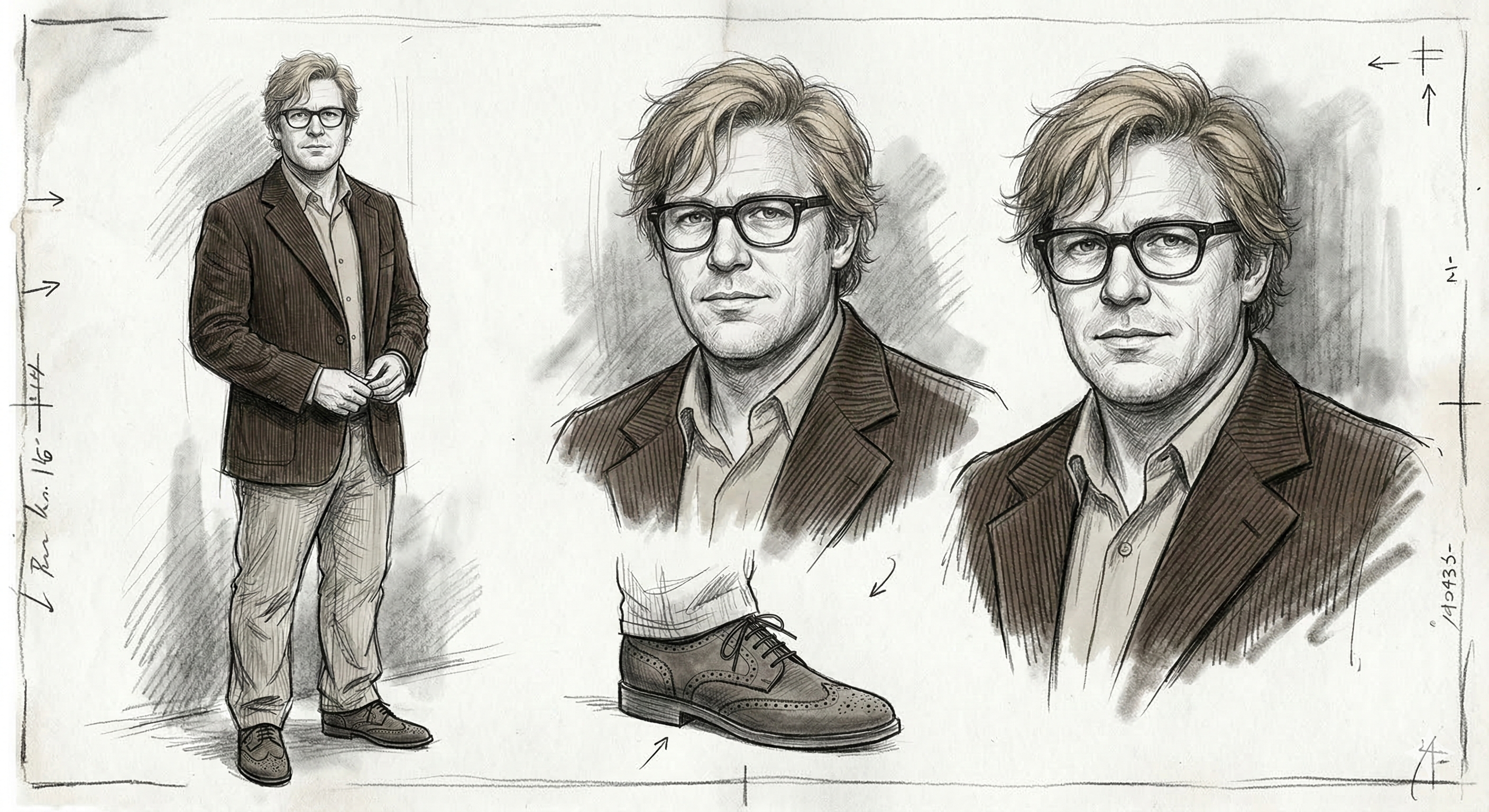
I’m Lance

Why do I care?

It’s because my maternal grandfather’s cousin was Pauline Storment and I have seen everyone who knew her pass on without ever learning the truth.

So, that is why this site is dedicated to exposing the hidden truths that have held her tragic murder in the shadows for all these years.

We may never ger the complete picture of that night but I will go to my grave knowing I did everything to honor her memory and untangle the web of confusion that has engulfed this case for half a century and counting.

CONTACT US